
Finding the right talent is key to any successful company. A bad hire can hurt your business and team morale. It affects your bottom line and team spirit.
A wrong choice can lead to lost productivity and wasted training. Making the wrong choice is expensive. But, you can avoid these problems with a good hiring assessment process.
Today, tools like pre-employment assessment platforms help find top performers. They use assessment software for recruiters to give you insights. This removes the guesswork from hiring.
By investing in better screening, you save money in the long run. Let’s look at how to improve your hiring process and protect your company culture.
Key Takeaways
- Bad hires cause significant financial losses and damage team productivity.
- Cultural misalignment is often as costly as a lack of technical skills.
- Structured evaluations provide objective data to support hiring decisions.
- Modern tools help identify high-potential candidates early in the process.
- Refining your screening strategy protects your company’s long-term growth.
The Financial and Cultural Impact of Hiring Mistakes
Choosing the wrong candidate can hurt a company’s finances and culture. The effects of such a mistake are deep. It’s key for businesses to grasp the full cost of a bad hire.
The financial hits are clear and quick. They include the costs of finding, training, and the lost work time. But there are also hidden costs that can harm a company for a long time.
Quantifying the Hidden Costs of Turnover
Turnover can cost a lot. It’s not just the money spent on finding and training a new person. It also includes lost knowledge, lower morale, and less work from others.
| Cost Category | Description | Estimated Cost Range |
|---|---|---|
| Recruitment Costs | Advertising, interviewing, and hiring expenses | $3,000 – $5,000 |
| Training Costs | Onboarding and training expenses for the new hire | $1,000 – $3,000 |
| Lost Productivity | Reduced efficiency during the training period | $5,000 – $10,000 |
Employment assessment tools can lower these costs. They help find the best candidates and cut down on bad hires.
The Ripple Effect on Team Morale and Productivity
A bad hire does more than just cost money. It also hurts team spirit and work output. A bad employee can mess up team work, making others unhappy and more likely to leave.
Using recruitment assessment can lead to better hiring choices. This helps keep a company’s culture and finances strong.
Identifying the Root Causes of Recruitment Failures
To make hiring better, we need to find out why it fails. The hiring process is complex, from finding candidates to choosing the right one. Knowing where things go wrong helps us improve.
Common Pitfalls in Traditional Interviewing
Traditional interviews often don’t predict how well someone will do the job. Unstructured interviews can be unfair because they’re not guided. Biases, like seeing only the good side of someone, also play a big role.
Structured interviewing tries to fix this by asking the same questions to everyone. It aims to be fairer. But, it might not show if someone is truly right for the job.

Why Resume Screening Alone Is Insufficient
Just looking at resumes isn’t enough. They show only what someone wants you to see. Pre-employment testing and job assessment tests give a clearer picture of what someone can do.
Also, resume screening can be unfair. It’s influenced by things like how someone looks or sounds. Using smarter recruitment solutions, like blind hiring, can make things fairer.
Leveraging Assessment Software for Recruiters to Mitigate Risk
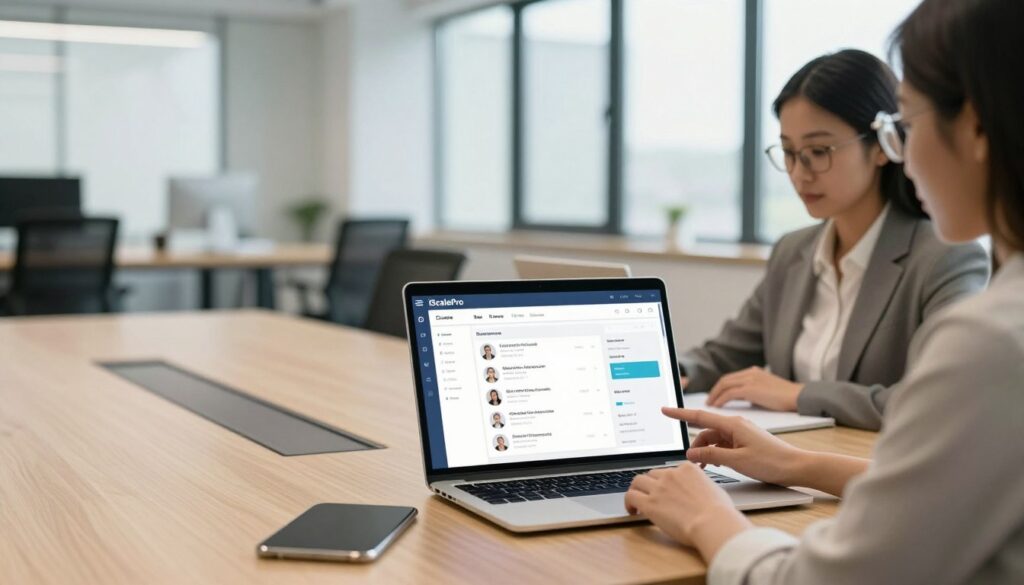
Assessment software for recruiters has changed the hiring game. It helps companies avoid bad hires. With advanced tech, businesses can make smarter choices, thanks to data.
The old way of hiring was based on feelings and guesses. Assessment software for recruiters offers a fair and detailed look at candidates. This makes hiring faster and safer.
How Data-Driven Insights Improve Candidate Selection
Data is key to picking the right candidate. Pre-hire assessment tools look at many things. They check skills, personality, and how well someone fits the job.
With employee selection tests, companies can see if someone will do well in a job. These tests help find the right fit for the company’s culture and values.
Integrating Pre-Employment Testing into Your Workflow
Adding pre-employment tests to your hiring process is easy and beneficial. Start by figuring out what skills are needed for the job. Then pick tests that check those skills.
After choosing the right tests, add them to your hiring steps. Use assessment software for recruiters to give tests and review answers. This helps shape interview questions and final decisions, making hiring better.
Key Components of an Effective Pre-Employment Assessment Strategy
Getting the right person for the job starts with a solid pre-employment strategy. This method lets companies check if a candidate fits the role and the company vibe.
Cognitive Ability and Aptitude Testing
Cognitive and aptitude tests are key in hiring. They see if a candidate can do the job tasks, like solving problems and making decisions. Studies show these tests are good at predicting job success. They help find the best candidates for the job.
These tests can be made to match the job needs. For example, a coding job might test problem-solving skills, while a customer service role might check verbal skills.
Personality and Behavioral Profiling
Personality and behavioral tests show how a candidate acts and fits in. They help figure out how a candidate will work with others and handle stress. They can tell if someone is a team player or might cause trouble.
These tests use scenarios or psychometric tests to check traits like being outgoing or responsible. This helps hiring managers decide if a candidate will do well in the company.
Technical Skills and Job Assessment Tests
Technical and job tests check if a candidate can do specific job tasks. For developers, it might be coding challenges. For writers, it could be writing tests. They show if a candidate can use their skills in real situations.
For example, a marketing person might have to create a social media campaign. A salesperson might need to show their negotiation skills. These tests see if a candidate is ready to start working right away.

Experts say, “A good pre-employment strategy is not just about keeping employees. It’s about finding the right people who share your company’s vision and culture.”
Best Practices for Implementing Employment Assessment Tools
To get the most out of candidate assessment, companies need to follow best practices. Good pre-employment assessment strategies make hiring easier and help pick the right people for the job.
Using employment assessment tools is key to smarter hiring. It’s not just about picking the right software. It’s about a whole approach that fits your company’s needs and goals.
Ensuring Fairness and Reducing Bias in Hiring
When using these tools, fairness and avoiding bias are top priorities. It’s important to keep the assessment criteria up to date. This makes sure they match the job needs and don’t unfairly judge certain candidates.
To cut down on bias, companies can try blind hiring. This means removing personal info from resumes before they’re reviewed. Also, using the same tools for all candidates helps ensure fairness.
Balancing Automated Insights with Human Judgment
Pre-employment assessment tools give valuable insights into a candidate’s skills. But, they shouldn’t be the only thing considered. Human judgment is vital for looking at qualities and situations that tools can’t see.
The goal is to mix the benefits of automated tools with the value of human insight. This way, companies can make better hiring choices that work for everyone.
Building a Smarter Recruitment Solutions Framework
Companies that use a smart recruitment plan can attract the best talent. It’s not just about filling jobs. It’s about making a hiring process that finds the right people efficiently.
Aligning hiring assessments with company culture is key. This makes sure new hires have the right skills and fit in with the company’s values.
Aligning Hiring Assessments with Company Culture
To match hiring tests with company culture, first define your values and what you expect from employees. You can do this by:
- Figuring out the core values and skills needed for success.
- Adding culture-fit tests to the hiring process.
- Using interviews that look at past experiences to predict future performance.
Training Hiring Managers to Interpret Assessment Data
It’s also important to train hiring managers to understand assessment software for recruiters. They need to know how to:
- Look at test results to find the best candidates.
- Make hiring choices based on data, not just gut feelings.
- Keep improving the assessment process based on feedback.
A trained hiring team can make the recruitment process better. They make choices based on solid data. The table below shows how training hiring managers can help.
| Benefits | Description | Impact |
|---|---|---|
| Informed Decision Making | Hiring managers can make data-driven decisions. | Reduces hiring bias and improves candidate quality. |
| Process Efficiency | Streamlined assessment interpretation. | Speeds up the hiring process. |
| Continuous Improvement | Regular feedback and refinement. | Enhances the overall effectiveness of the recruitment framework. |
Common Challenges in Adopting Pre-Hire Assessment Technology
As companies use more pre-hire assessments, they face common hurdles. These can affect how well they hire people.
Candidate Resistance and Its Implications
One big challenge is getting candidates to agree to tests. Some see these tests as a privacy issue or a roadblock.
To deal with this, companies should explain why they use these tests. They should be open about the benefits.
Ensuring Compliance with Employment Laws
Keeping up with employment laws is another big challenge. Tests must be fair and not discriminate.
Companies need to check their tests often. This makes sure they follow the law.
Key Considerations for Compliance:
- Regularly review and update assessment tools
- Ensure assessments are job-related and consistent with business needs
- Maintain transparency with candidates about the assessment process
Looking at different tests can help companies choose wisely.
| Feature | Assessment Tool A | Assessment Tool B |
|---|---|---|
| Compliance Support | Yes | Yes |
| Candidate Feedback | No | Yes |
| Customization Options | Limited | Extensive |
Conclusion
Getting the right people on your team is key to success. Making hiring mistakes can cost a lot and harm your company’s culture. By using assessment software, you can make better hiring choices.
Smart hiring tools help you pick the best candidates. This way, you avoid bad hires and boost your team’s performance. It’s all about making informed decisions.
Using software for hiring makes the process smoother. It helps you find and keep the best talent. As the job market changes, using smart hiring tools is vital for staying ahead.